UNC reinstates suspended professor, finding ‘no basis’ he pushed political violence
AI-generated summary reviewed by our newsroom.
- UNC reinstates Dwayne Dixon after review finds no basis for advocating violence.
- University threat assessment, campus security and police found no threat evidence.
- Allegations traced to past activism and group ties lacked current evidence or links.
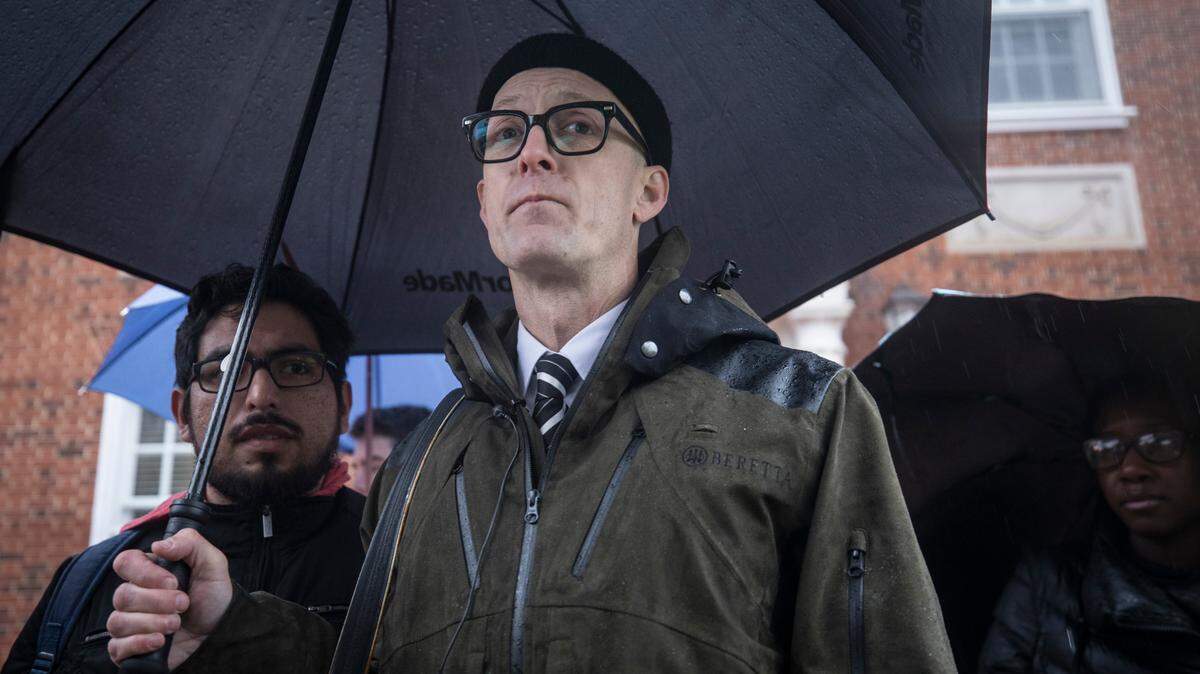
UNC-Chapel Hill on Friday reinstated a professor it placed on administrative leave earlier in the week, saying an investigation found “no basis” to support that he had advocated political violence.
Dwayne Dixon, a teaching associate professor in UNC’s department of Asian and Middle Eastern studies, is reinstated to his “faculty responsibilities, effective immediately,” a university news release stated.
The university performed a “thorough threat assessment” of Dixon “based on recent reports and expressions of concern that he is an advocate for political violence,” the release stated. The university’s behavioral assessment and management team, which responds to reports of “concerning behavior” on campus, along with the UNC System security office and local police, did the assessment.
The review found “no basis to conclude” that Dixon “poses a threat to University students, staff, and faculty, or has engaged in conduct that violates University policy,” the release stated.
The allegations against Dixon centered on his previous involvement with Redneck Revolt, a group founded in 2016 that described itself as “an aboveground militant formation” that “stands for organized defense of our communities.” The group opposes white supremacy, capitalism and patriarchy, according to its principles.
The organization disbanded in 2019, per its website, and Dixon has said he left the group in 2018.
The move to place Dixon on leave came after Turning Point USA spokesperson Andrew Kolvet posted a photo on X of a flyer at Georgetown University that read: “Hey, fascist! Catch!” The same phrase was printed on a bullet recovered by police after the fatal shooting of Turning Point founder and conservative activist Charlie Kirk at Utah Valley University last month.
The flyer, according to Kolvet’s post, included a QR code linked to “the John Brown Club” and also read: “The only political group that celebrates when Nazis die.” Before Redneck Revolt disbanded, some chapters chose to become “John Brown Gun Clubs,” in which they trained “in defense and mutual aid.”
Kolvet, sharing the Fox story, called for Dixon to be “immediately fired” for his alleged ties to the group.
It’s unclear whether Dixon ever belonged to a John Brown Gun Club. And there appeared to be no evidence that he was involved with the incident at Georgetown — a university hundreds of miles from Chapel Hill — that spurred concerns among conservative activists and media.
Dixon is, however, a known activist in the Triangle.
- In 2017, Dixon brought a semi-automatic rifle and extra ammunition to downtown Durham amid rumors and concerns that the Ku Klux Klan planned to demonstrate there. The white supremacist group never showed, and Dixon was charged with going armed to the terror of the people and bringing a weapon to a demonstration. The charges were later dismissed.
- Dixon was also one of several protesters charged in connection with the demonstration in which Silent Sam, the Confederate monument that stood on UNC’s campus, was toppled in 2018. He was charged with simple assault of Patrick Howley, former editor-in-chief of Big League Politics. The charges were dismissed.
UNC’s decision to place Dixon on leave drew criticism from many on and off campus, with a rally in support of him drawing about 150 attendees on Wednesday.
The American Civil Liberties Union of North Carolina had threatened to sue the university if it did not reinstate Dixon by 5 p.m. Friday, writing in a letter to UNC general counsel Paul Newton, Chancellor Lee Roberts and other university officials that “the University’s decision to place Professor Dixon on administrative leave merely because of his association with certain groups is a textbook violation of the First Amendment.”
Several university faculty and staff around the country have been fired or otherwise disciplined for comments they have made about Kirk’s killing, raising questions and concerns about whether First Amendment protections are being upheld.
In its statement Friday, the university said it “continues to reaffirm its commitment to rigorous debate, respectful engagement, and open dialogue in support of free speech, while fulfilling our responsibility to protect the physical safety of the Carolina community.”